
Chiropractic Manipulation
December 14, 2025

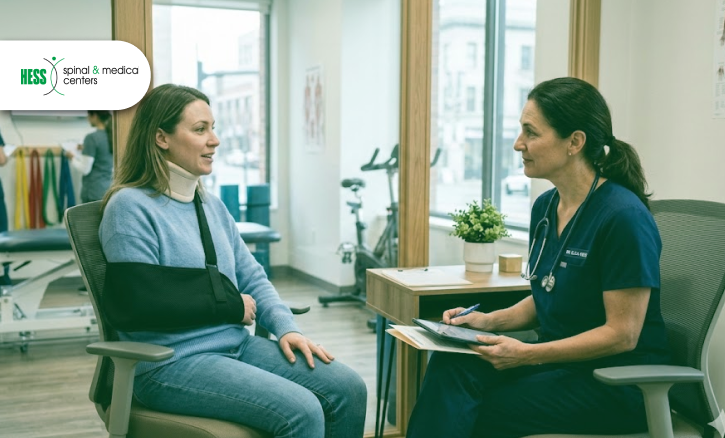
People with similar concerns frequently visit my clinic and ask directly, "Should I get an MRI now or let you first see how my spine moves?" The majority arrive with stiffness, abrupt flare-ups, or a fear of bending despite having tried exercises, medications, and every advice they were given. We begin by hearing the story behind the suffering because we recognize how exhausting that is.
Progress can stall for subtle, unexpected reasons. Muscle imbalances, restricted joints, posture strain, poor sleep, stress, or certain medications can all keep pain present. Imaging shows the spine’s structure, while hands-on care reveals how your body moves.
We'll go over how we choose what to try first, when imaging is required, and the one thing that most people overlook that can make all the difference.
Chiropractic care is a functional exam and an MRI is a structural image. By "functional," we mean that we assess how your body moves and how your nervous system and muscles work together. While describing technical terms, we assess range of motion, joint play, muscle tone, and basic nerve function.
For example, a spinal segment is one level of the spine; facet joints are small joints that guide motion; paraspinal muscles run along the spine to stabilize and move segments. These tests show which segments are stiff, which muscles are overactive, and which movements strain your spine.
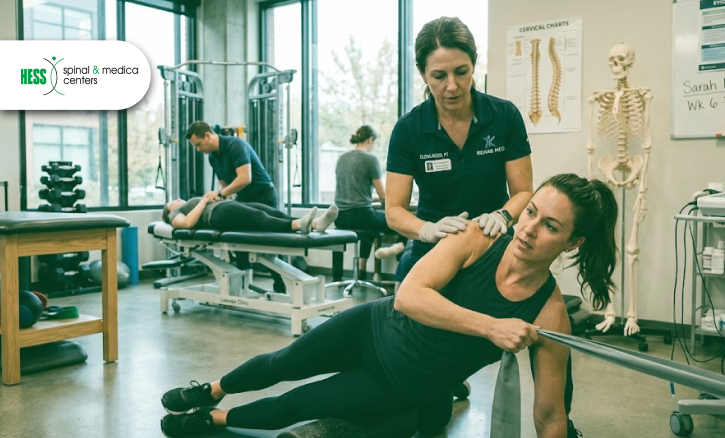
Once we identify restrictions, use targeted adjustments, mobilizations, and motor control exercises to restore motion. Soft tissue work and progressive strengthening often reduce pain quickly, because improving movement is usually the fastest path to relief.
MRI, magnetic resonance imaging, shows structure, not movement. It images discs, vertebrae, ligaments, and nerve roots, revealing issues like herniated discs, fractures, infections, or masses. MRI guides surgical or medical decisions; however, it does not indicate how your muscles fire or how your spine moves. We use MRI selectively when the clinical signs suggest a structural problem is driving symptoms.
The distinction between structure and function shapes our approach to care and inevitably influences how we assess a patient in the clinic.

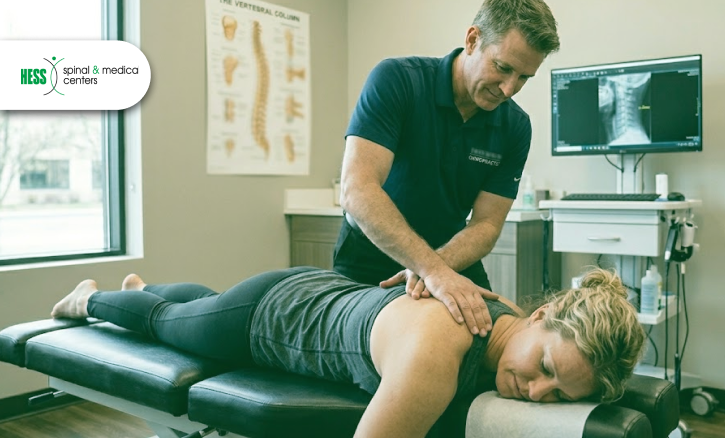
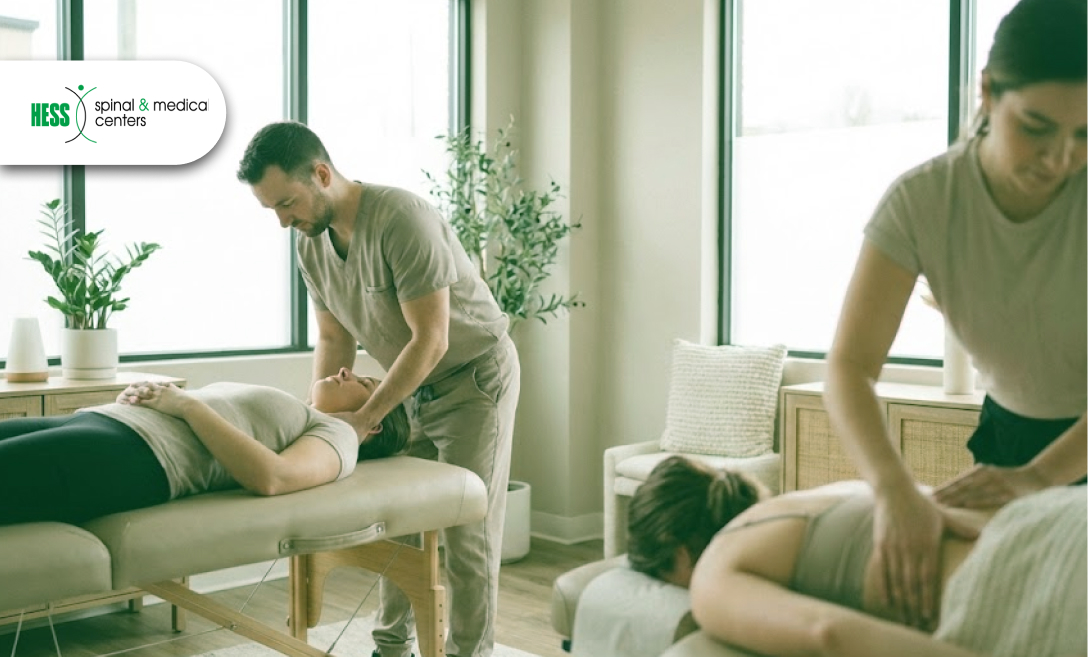
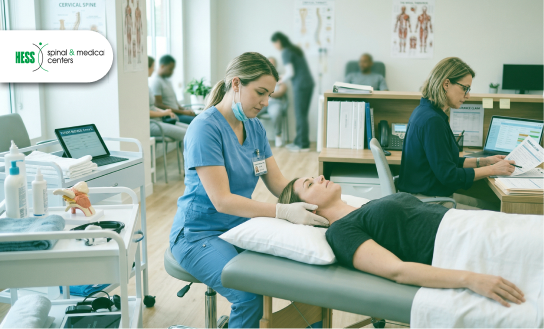
In the clinic we start by watching you move. Simple actions, like standing up from a chair, bending to tie a shoe, or walking a few steps, reveal patterns that a static image cannot. We look for asymmetry, guarded movements, and tasks that reproduce your pain. Next, we palpate the spine to feel for restricted spinal segments and tight paraspinal muscles.
We perform a few targeted tests, including segmental joint play, range-of-motion checks, major muscle group strength tests, basic neurological checks, reflex testing, light touch to map sensation, and basic resisted movements to check for weakness. To help you understand what we are testing and why, we define each term as we go.
When a spinal segment is restricted, nearby muscles compensate by working harder to stabilize the area. Over time, that compensation becomes painful and inefficient; soreness may spread or flare with certain activities. Addressing the restriction with targeted manual therapy, guided mobilizations, and an activation program often reduces pain and restores function within days. That quick, measurable response helps confirm that the problem was largely mechanical and clarifies whether imaging is likely to add value.
Starting with hands-on evaluation is about using the most informative, least invasive tool first. If the exam raises concerns for nerve compression, fracture, infection, or another structural problem, we will order imaging promptly. Otherwise, we treat the movement faults and watch how you respond, which leads us into identifying hidden contributors that delay recovery.
Getting an MRI too early sometimes does more harm than good. Seeing structural “abnormalities” on a scan can create fear or anxiety, even when those findings are unrelated to symptoms. Studies show many asymptomatic people have disc bulges, with prevalence rising from about 30% in people in their 20s to roughly 84% by age 80.
Starting with imaging can lead to:
Unnecessary referrals to specialists, delaying movement-focused care.
Fear avoidance behavior, where patients limit bending, lifting, or exercise because they worry about their spine.
Over-treatment, including surgery or injections, when conservative care would have resolved the issue.
Clinical guidelines support this approach:
The American College of Physicians recommends delaying imaging in low back pain unless red-flag signs exist (neurological deficits, trauma, systemic symptoms).
The North American Spine Society reports that movement evaluation should guide early management rather than scans alone.
Early chiropractic care focuses on function first, improving motion, reducing pain, and preventing unnecessary fear or procedures. MRI remains a targeted tool, not a first-line test for most mechanical back pain.

Care works best when we combine perspectives, and that is how we practice. Hess Spinal and Medical Centers' team brings medical and chiropractic skills into one plan. We begin with a functional evaluation, watching how spinal segments move and checking muscle activation and basic nerve function. Functional terms we use, like "motor control," refer to how your brain and muscles coordinate movement, which influences stability and pain.
MRI aids in clarifying the anatomy when clinical indicators, such as nerve compression, obvious weakness, or concern for fracture, suggest that structure may be the problem. Discs, vertebrae, and ligaments are visible on that imaging, which helps doctors make decisions about drugs, injections, and surgery. We then go over the results with the doctors, comparing the scan and the exam.
When the clinical picture points to a structural issue that could alter treatment, we order an MRI. We keep an eye out for these obvious, non-negotiable indicators, and we advise imaging as soon as they appear.
Progressive neurological deficit: This is when your nerves are having trouble sending signals. For example, if your legs feel weaker than before or you lose feeling in certain areas following a dermatomal pattern (the specific area of skin a nerve supplies), it can mean a nerve root compression, which is when a disc or bone presses on a nerve.
New bowel or bladder problems, or saddle anesthesia: Saddle anesthesia is when you lose feeling in the area that would touch a saddle if you sat on one, like your inner thighs and the area around your bottom. These signs can indicate cauda equina syndrome, a serious condition where nerves at the bottom of the spine are compressed. This is an emergency and needs imaging immediately.
Recent major trauma or high-risk injury: If you had a serious fall, car accident, or any injury that could damage the spine, it could cause a fracture (broken bone) or ligamentous disruption (torn ligaments that hold the spine together). MRI helps us see this clearly.
Systemic signs: Sometimes back pain comes with general body problems, like a fever or losing a lot of weight without trying. This can indicate infection in the spine or even a malignancy (cancer). Imaging helps rule these serious causes in or out.
When these red flags are present, MRI is an important diagnostic tool that guides surgical or medical referral, and it can be lifesaving in rare cases. The American College of Radiology and major guideline bodies report similar criteria for using MRI in low back pain.

Hands-on chiropractic evaluation addresses muscles, joints, posture, and daily habits early, allowing improvements in mobility and comfort. MRI is most useful when structural issues affect treatment decisions, such as neurological symptoms, trauma, or suspected serious conditions.
Our physicians and chiropractic staff collaborate to create an individualized approach. So, book a short movement check with me at Hess Spinal and Medical Centers; we’ll pinpoint the cause and start a simple, realistic plan. Physical performance checks often show rapid relief, while imaging remains available when necessary.
Disclaimer:
This article provides general information and is not a substitute for professional medical advice. For evaluation or treatment specific to your condition, please consult Hess Spinal & Medical Centers.